How to Buy Tretinoin Cream Online in the US: A Complete Guide for 2026
If you want to buy tretinoin cream online in the US, you can do so legally and affordably through telehealth platforms like Nurx, Hers, Curology, and Ro. These services connect you with licensed dermatology providers who review your skin concerns remotely and prescribe tretinoin—often for as little as $20 to $40 per month—with the medication shipped directly to your door.
Gone are the days when getting your hands on prescription-strength tretinoin meant booking an appointment weeks in advance, sitting in a sterile waiting room, and paying a hefty co-pay. The telehealth boom has completely transformed how Americans access prescription skincare, and tretinoin is at the center of that shift. Whether you’re dealing with stubborn acne, early signs of aging, or sun-damaged skin, this guide walks you through everything you need to know before placing your first order.
What Is Tretinoin and Why Do Dermatologists Swear by It?
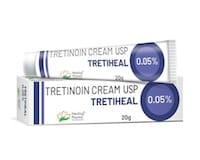
Tretinoin is a prescription-strength vitamin A derivative and the gold standard topical retinoid for treating acne, fine lines, and hyperpigmentation. Unlike over-the-counter retinol, tretinoin is already in its active form (retinoic acid), which means it works immediately upon application without requiring conversion in the skin.
Sold under brand names like Retin-A, Retin-A Micro, and Renova, tretinoin first entered the dermatology world in the 1970s as an acne treatment. Patients and physicians quickly noticed a laundry list of “bonus” benefits: softened fine lines, reduced texture, faded dark spots from sun damage, and minimized pores. As board-certified dermatologist Azadeh Shirazi, MD, told Allure, “Tretinoin is the gold standard for improving skin texture and fine lines, but not all formulas are created equal.”
Here’s a quick breakdown of how tretinoin fits into the broader retinoid family:
| Retinoid Type | Prescription Required? | Potency | Speed of Results |
|---|---|---|---|
| Retinol | No (OTC) | Low to moderate | Slower (requires skin conversion) |
| Retinaldehyde | No (OTC) | Moderate | Moderate |
| Tretinoin | Yes | High | Fastest (active form) |
| Adapalene | OTC or Rx (depending on strength) | Moderate | Moderate |
Board-certified dermatologist Asmi Berry, DO, puts it plainly: “The 0.05% tretinoin is much stronger than 1% retinol” because tretinoin skips the conversion step entirely. That’s why even a low-concentration tretinoin cream outperforms most over-the-counter retinol products when it comes to visible results.
The Best Places to Buy Tretinoin Cream Online in the US
You can buy tretinoin cream online in the US through several reputable telehealth platforms, with prices ranging from $20 to $75 per month depending on whether you choose a standalone formula or a custom blend with additional active ingredients. Each platform has a slightly different approach, so the best one for you depends on your budget, skin concerns, and whether you have insurance.
Here’s a pro tip that most guides overlook: if you previously relied on Apostrophe for your tretinoin prescriptions, you’ll need a new provider. Apostrophe was shut down on March 7, 2026, after being acquired by Hims & Hers. The good news? There are plenty of alternatives, and many offer features Apostrophe never did.
Top Telehealth Platforms Compared
| Platform | Monthly Cost | Key Ingredients | Insurance Accepted? | Best For |
|---|---|---|---|---|
| Nurx | $30 | Pure tretinoin | Yes | Insurance users & mature skin |
| Hers | $29 | Tretinoin, niacinamide, azelaic acid, clindamycin | No (HSA/FSA accepted) | Acne-prone skin |
| Curology | $40 | Custom (includes HydroTretRx option) | No | Sensitive skin & first-time users |
| Ro | $43 (first 2 months) | Tretinoin, niacinamide, hyaluronic acid, ceramides | No | Customizable formulas with ongoing support |
| Musely | $35 | Tretinoin, niacinamide, hyaluronic acid | No (HSA/FSA accepted) | Anti-aging beginners |
| Wisp | $75+ | Tretinoin (0.04%), azelaic acid (5%), niacinamide (4%) | No (HSA/FSA accepted) | Dark spots & hyperpigmentation |
| RedBox RX | $20 | Pure tretinoin | No | Budget-conscious buyers |
| Agency by Curology | $40+ | Custom (azelaic acid, tranexamic acid, niacinamide, dexpanthenol) | No (HSA/FSA accepted) | Anti-aging with personalized formulas |
| TelyRx | $37.99+ | Pure tretinoin (0.025%, 0.05%, 0.1%) | No (HSA/FSA eligible) | Fast delivery & straightforward ordering |
One standout detail worth noting: Curology’s HydroTretRx is specifically formulated for sensitive skin. According to Dr. Whitney Tolpinrud, Medical Director at Curology, the tretinoin is compounded with dexpanthenol (pro-Vitamin B5) to attract and hold moisture while soothing irritation. If you’ve tried tretinoin before and found it too harsh, this could be the formula that finally works for you.
Another thing to keep on your radar: Ro offers free, unlimited check-ins with your provider after your initial consultation. Most competing platforms charge per visit, making Ro a particularly smart pick if you want hands-on guidance as you adjust to tretinoin for the first time.
How Does Tretinoin Work and How Should You Use It?
Tretinoin works by accelerating skin cell turnover and stimulating collagen production. When applied topically, it binds to retinoic acid receptors in the skin, prompting older, damaged cells to shed faster while encouraging fresh, healthy cells to take their place. This process smooths the skin’s surface, unclogs pores, and gradually reduces the appearance of wrinkles and dark spots.
Here’s how to use tretinoin properly for the best results:
- Cleanse gently: Wash your face with a mild cleanser and pat dry completely. Wait at least 20 minutes before applying tretinoin—applying it to damp skin increases the risk of irritation.
- Apply a pea-sized amount: A little goes a long way. Spread a thin layer across your entire face, avoiding the eyes, lips, nostrils, and corners of the mouth.
- Use it at bedtime only: Tretinoin increases sun sensitivity, so nighttime application is essential. Follow up with SPF 30 or higher sunscreen every morning.
- Start slow: Begin with every other night or every third night, then gradually increase to nightly use as your skin adjusts.
- Wash your hands immediately after application to avoid accidentally transferring the product to sensitive areas.
A particularly useful technique for sensitive skin comes from Dr. Arjun Dupati, a board-certified dermatologist and Mohs surgeon. He recommends what he calls “The Sandwich Method”: apply a layer of Vanicream lotion first, then tretinoin on top, followed by another layer of Vanicream. This buffers the tretinoin and significantly reduces dryness and irritation, especially during the initial adjustment period.
Tretinoin Dosage: Which Strength Is Right for You?
Tretinoin cream comes in three standard strengths—0.025% (low), 0.05% (medium), and 0.1% (high). Most dermatologists recommend starting at the lowest concentration and gradually increasing every few months as your skin builds tolerance.
Dr. Dupati outlines a practical dosing schedule that works for most patients:
- Months 1–6: Start with 0.025% cream applied nightly
- Months 7–12: Move up to 0.05% cream
- Month 13 onward: Graduate to 0.1% cream for maximum efficacy
For acne concerns, you may notice improvements within four to six weeks. For anti-aging benefits like fine line reduction and evening out skin tone, expect to wait three to six months of consistent use before seeing the full effect. The key word here is consistent—skipping applications or jumping to a higher strength too quickly will only set you back.
Tretinoin Dosage and Price Table
| Strength | Best For | Price Range (Monthly) | Available At |
|---|---|---|---|
| 0.025% Cream | Beginners, sensitive skin | $20–$40 | Nurx, RedBox RX, TelyRx, Musely |
| 0.05% Cream | Intermediate users, moderate acne | $29–$40 | Hers, Nurx, TelyRx, Ro |
| 0.1% Cream | Experienced users, significant aging concerns | $30–$45 | Nurx, TelyRx, Agency |
| Custom blends (varies) | Multi-concern (acne + aging + dark spots) | $29–$75+ | Curology, Ro, Hers, Wisp, Agency |
Pros and Cons of Tretinoin Cream
Tretinoin is widely considered the most effective topical retinoid available, but it’s not without trade-offs. Understanding both sides helps you set realistic expectations and prepare your skincare routine accordingly.
| Pros | Cons |
|---|---|
| Backed by decades of clinical research since the 1970s | Requires a prescription from a licensed provider |
| Proven to reduce fine lines, wrinkles, and dark spots | Initial adjustment period with dryness, redness, and peeling |
| Boosts collagen production for firmer skin | Increases sun sensitivity—daily sunscreen is non-negotiable |
| Effective for both acne and anti-aging | Not safe for use during pregnancy or breastfeeding |
| Available in multiple strengths for gradual progression | Can worsen acne temporarily before improving it (“purging”) |
| Now easily accessible through online telehealth platforms | Cannot be combined with certain actives like benzoyl peroxide |
| Safe for long-term use under medical supervision | Those with eczema or rosacea need extra caution |
Benefits of Buying Tretinoin Cream Online
Purchasing tretinoin through a telehealth platform offers several practical advantages over the traditional dermatologist visit, especially if you don’t have insurance that covers dermatology or simply can’t afford the time investment of an in-person appointment.
- Skip the waiting room: Most online consultations take 10 minutes or less, and many platforms use asynchronous assessments—meaning you fill out a questionnaire and upload photos on your own time, without scheduling a live video call.
- Lower costs: An in-office dermatology visit can cost $150 to $300 without insurance. Online consultations typically range from free to $25, and the medication itself starts as low as $20 per month.
- Doorstep delivery: Your prescription is filled by a licensed pharmacy and shipped directly to you, often within one to two business days.
- Ongoing provider access: Platforms like Ro and Curology offer free follow-up check-ins so your provider can adjust your formula or dosage as your skin evolves.
- HSA/FSA eligibility: Many platforms accept health savings or flexible spending account funds, which can further reduce your out-of-pocket costs.
- Privacy and convenience: Everything from consultation to delivery happens discreetly, which appeals to those who prefer handling skincare concerns privately.
- Insurance options: Nurx, in particular, works with select insurance companies, potentially covering part or all of the cost depending on your plan and diagnosis.
The bottom line? When you buy tretinoin cream online in the US, you’re getting the same prescription-grade medication you’d receive from an in-office visit—just without the logistical headaches and often at a fraction of the cost.
Tretinoin Alternatives Worth Considering
If tretinoin isn’t the right fit for your skin—whether due to sensitivity, pregnancy, or personal preference—there are several alternatives that offer overlapping benefits with a gentler approach. None are quite as potent as tretinoin, but they can still deliver meaningful improvements over time.
- Adapalene (Differin): A synthetic retinoid available over the counter at 0.1% strength. It’s FDA-approved for acne and tends to be better tolerated than tretinoin, making it a solid entry point for retinoid beginners.
- Retinol (various brands): The most common OTC retinoid. It must be converted to retinoic acid in the skin, so it’s weaker and slower-acting than tretinoin—but also less irritating. Great for those who want gradual results without a prescription.
- Retinaldehyde: One step closer to retinoic acid than retinol, offering a middle ground between OTC retinol and prescription tretinoin. It’s less widely available but gaining popularity in premium skincare lines.
- Bakuchiol: A plant-based alternative that mimics some of retinol’s effects without the irritation or sun sensitivity. It’s pregnancy-safe and suitable for very sensitive skin, though the research behind it is still limited compared to retinoids.
- Azelaic acid: Not a retinoid, but frequently paired with tretinoin in custom formulas for good reason. It brightens dark spots, fights acne-causing bacteria, and calms inflammation. Available OTC at lower strengths or by prescription at higher concentrations.
- Tazarotene: Another prescription retinoid that’s even more potent than tretinoin. It’s typically reserved for severe acne or psoriasis and comes with a higher risk of irritation, so it’s not a first-line option for most people.
What this means for you: if tretinoin feels too aggressive or you’re in a life stage where it’s not appropriate, you still have real options. Start with adapalene or retinol, build your skin’s tolerance, and revisit tretinoin down the road when the timing is right. Your skin isn’t going anywhere—and neither is this ingredient. It’s been a dermatology staple for over fifty years, and it’s not losing its crown anytime soon.
Ingredients That Pair Well (and Poorly) With Tretinoin
Tretinoin delivers its best results when supported by the right companion ingredients and kept away from formulas that can amplify irritation. Getting this balance right is the difference between glowing skin and a compromised skin barrier.
Ingredients that complement tretinoin:
- Hyaluronic acid: Draws moisture into the skin, counteracting the dryness tretinoin can cause.
- Ceramides: Strengthen the skin barrier, helping it stay resilient during the adjustment period.
- Niacinamide: Anti-inflammatory and soothing—it reduces redness and supports overall skin health.
- Dexpanthenol (pro-Vitamin B5): Attracts and holds moisture while promoting skin healing. This is the star ingredient in Curology’s HydroTretRx formula.
Ingredients to avoid while using tretinoin:
- Benzoyl peroxide: Can deactivate tretinoin and cause excessive dryness when used simultaneously.
- Exfoliating acids (AHAs, BHAs): Glycolic acid, salicylic acid, and similar exfoliants can compound irritation.
- Harsh cleansers and abrasive scrubs: Physical exfoliation on tretinoin-treated skin is a recipe for redness and peeling.
- Products with high alcohol content: These strip moisture and weaken the skin barrier.
Final Thoughts: Is Buying Tretinoin Online Right for You?
If you’ve been on the fence about prescription retinoids, the barrier to entry has never been lower. The ability to buy tretinoin cream online in the US through licensed telehealth platforms means you can access dermatologist-grade skincare from your couch, often for less than the cost of a single in-office co-pay. Platforms like Nurx, Curology, Hers, and Ro each bring something slightly different to the table—whether that’s insurance compatibility, sensitive-skin formulations, or budget-friendly pricing.
The most important thing is to start low, go slow, and stay consistent. Tretinoin isn’t an overnight miracle, but with three to six months of regular use, the results speak for themselves. Pair it with a solid moisturizer, daily sunscreen, and the patience to let the science do its work, and you’ll understand why dermatologists have been recommending this ingredient for over half a century.
- Viagra
- Cialis
- Stromectol
- Cenforce
- Amoxil
- Levitra
- Vidalista
- Kamagra
- Zithromax
- Fildena
- Neurontin
- Lasix
- Ventolin
- Cialis Black
- Kamagra Oral Jelly
- Clomid
- Prelone
- Antabuse
- Priligy
- Viagra Soft
- Cialis Professional
- Viagra Super Active
- Synthroid
- Motilium
- Hydroxychloroquine
- Vibramycin
- Metformin
- Tadalista
- Cytotec
- Cialis Daily
- Cipro
- Female Viagra
- Cialis Soft
- Viagra Professional
- Strattera
- Inderal
- Tretiva
- Augmentin
- Cialis Super Active
- Wellbutrin Sr
- Isofair
- Diflucan
- Sildalis
- Flagyl
- Vilitra
- Propecia
- Cialis Super Force
- Estrace
- Isotroin
- Xenical
- Lumigan
- Careprost
- Baclofen
- Viagra Generic
- Cialis Generic
- Levitra Generic
- Super Kamagra
- Cobra 120mg
- Doxycycline
- Aciclovir
- Aciclovir Cream
- Vermox
- Tretinoin Cream
- Tretinoin CGel
- Prozac
- Nolvadex