Buy Zithromax Online Without Prescription: A Complete 2026 Guide to Azithromycin
If you’re looking to buy Zithromax online without prescription, you need to understand exactly what you’re getting, how it works, and what the real risks and benefits are. Zithromax — the brand name for the antibiotic azithromycin — remains one of the most widely prescribed antibiotics worldwide. It treats everything from respiratory infections to certain sexually transmitted diseases, and its short treatment courses make it a favorite among both clinicians and patients.
This guide breaks down the essential details about purchasing Zithromax online, including dosage information, pricing, safety considerations, and practical tips that most pharmacy pages skip over. Whether you’re a first-time buyer or someone refilling a familiar prescription, this article gives you the information you need to make a confident, informed decision.
What Is Zithromax and Why Is It So Popular?
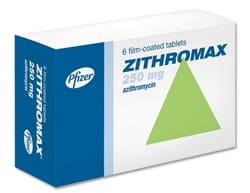
Zithromax is a macrolide antibiotic containing azithromycin as its active ingredient. It works by stopping bacteria from producing the proteins they need to grow and multiply. Its unusually long half-life allows for once-daily dosing and treatment courses as short as three days, which is a major advantage over antibiotics that require dosing multiple times per day for a week or more.
Manufactured originally by Pfizer, Zithromax has been available in the United States and globally for decades. Today, generic azithromycin is produced by numerous manufacturers and meets the same FDA-required quality standards as the branded version. The generic option typically costs significantly less, making it accessible to a wider range of patients.
What makes azithromycin stand out among macrolide antibiotics is its acid stability. Unlike erythromycin, an older macrolide, azithromycin is roughly 300 times more resistant to stomach acid. This translates to higher bioavailability in the bloodstream and stronger antibacterial performance at the site of infection. It also concentrates heavily in tissues and immune cells called phagocytes, which helps deliver the drug directly where infections are active.
Common Infections Treated with Zithromax
Azithromycin is prescribed for a broad range of bacterial infections affecting the respiratory tract, skin, ears, and genitourinary system. It is not effective against viral infections like the common cold or influenza, so using it for those conditions contributes to antibiotic resistance without providing any benefit. Your clinician should confirm a bacterial cause before starting treatment.
Here are the most common conditions where Zithromax is used:
- Community-acquired pneumonia — including infections caused by atypical pathogens like Mycoplasma pneumoniae and Legionella pneumophila
- Acute bacterial sinusitis — in select cases based on local resistance patterns
- Acute bacterial exacerbations of chronic bronchitis
- Pharyngitis and tonsillitis — typically when the patient has a penicillin allergy
- Acute otitis media — especially in pediatric patients
- Uncomplicated skin and soft-tissue infections
- Chlamydial cervicitis and urethritis — as an alternative regimen when doxycycline is unsuitable
- Traveler’s diarrhea — particularly in regions with high fluoroquinolone resistance
- Chancroid — in select cases depending on local treatment protocols
One important note: current CDC guidelines do not recommend azithromycin monotherapy for gonorrhea due to growing resistance. For chlamydia, many U.S. guidelines now prefer doxycycline, though azithromycin remains a valid alternative when adherence to a multi-day regimen is a concern.
Azithromycin and COVID-19: What the Evidence Actually Shows
Major U.S. guidelines do not recommend azithromycin for treating COVID-19 unless a bacterial co-infection is confirmed or strongly suspected. Early in the pandemic, there was significant interest in azithromycin’s potential anti-inflammatory properties. However, rigorous clinical trials failed to demonstrate a meaningful benefit for viral COVID-19 treatment.
Some online pharmacies still market Zithromax under COVID-19 categories, and you may encounter user testimonials claiming the drug helped during their illness. While it’s possible that some of those patients had bacterial co-infections that responded to the antibiotic, self-treating a viral illness with antibiotics is a direct contributor to antibiotic resistance. The bottom line: talk to a healthcare provider before using azithromycin for any respiratory illness.
How Does Zithromax Work and How Should You Take It?
Azithromycin is a bacteriostatic antibiotic that binds to the 50S ribosomal subunit of bacteria, blocking the protein synthesis they need to survive and reproduce. At typical therapeutic doses, it doesn’t kill bacteria outright — instead, it halts their growth so your immune system can eliminate them. Its high tissue concentration and long half-life create a sustained post-antibiotic effect, meaning bacteria remain suppressed even after blood levels of the drug drop below the minimum inhibitory concentration.
Here’s how to take Zithromax correctly for best results:
- Tablets can be taken with or without food. If you experience stomach upset, taking them with a light meal can help.
- Oral suspension should be shaken well before each dose. Use a proper measuring device — not a household spoon.
- Extended-release suspension is typically taken on an empty stomach as a single dose. Do not substitute it for immediate-release forms without your prescriber’s direction.
- Avoid aluminum- or magnesium-based antacids around the time you take azithromycin, as they can reduce the drug’s peak concentration in your blood.
- Complete the full course even if you feel better after a day or two. Stopping early is one of the primary drivers of antibiotic resistance.
A practical tip that one source highlights and others overlook: drink a full glass of water with each tablet. Water speeds the tablet’s passage into the intestines and improves absorption into the bloodstream. Taking the drug immediately after a heavy meal may reduce bioavailability.
Zithromax Dosage
Azithromycin dosing depends on the type of infection, its severity, and individual patient factors such as age and weight. The two most recognized packaging formats in the U.S. are the Z-Pak (six 250 mg tablets taken over five days) and the Tri-Pak (three 500 mg tablets taken over three days). Your clinician may prescribe a different regimen based on your specific diagnosis.
| Condition | Day 1 Dose | Days 2–5 Dose | Total Duration |
|---|---|---|---|
| Community-acquired pneumonia | 500 mg | 250 mg once daily | 5 days |
| Acute bacterial sinusitis | 500 mg | 500 mg once daily | 3 days |
| Acute bronchitis exacerbation | 500 mg | 250 mg once daily | 5 days (or 3-day course) |
| Pharyngitis/tonsillitis | 500 mg | 250 mg once daily | 5 days |
| Chlamydial infection (alternative) | 1,000 mg single dose | — | 1 day |
| Traveler’s diarrhea | 1,000 mg single dose or 500 mg | 500 mg once daily (if multi-day) | 1–3 days |
| Skin/soft-tissue infections | 500 mg | 250 mg once daily | 5 days |
Pediatric dosing is weight-based, typically calculated at 10 mg per kilogram of body weight per day. Clinicians choose between 100 mg/5 mL and 200 mg/5 mL oral suspension formulations to match the prescribed dose. Parents should always complete the full course and never share leftover antibiotics between children.
Pros and Cons of Zithromax
Like any medication, Zithromax has clear advantages and notable drawbacks that you should weigh before starting treatment. The table below summarizes the key points based on clinical data and real-world patient experiences.
| Pros | Cons |
|---|---|
| Short treatment courses (3–5 days) | Can cause gastrointestinal side effects (nausea, diarrhea, abdominal pain) |
| Once-daily dosing for easy adherence | May prolong the QT interval, posing risks for patients with heart conditions |
| Broad spectrum covering Gram-positive, Gram-negative, and atypical bacteria | Not effective against viral infections — misuse drives resistance |
| Available as affordable generic azithromycin | Growing antibiotic resistance reduces efficacy for some infections |
| Palatable oral suspension for pediatric use | Contraindicated in patients with severe liver disease or macrolide allergy |
| Long half-life provides sustained post-antibiotic effect | Potential interactions with warfarin, digoxin, and QT-prolonging drugs |
| Well-tolerated by most patients | Rare but serious risk of Clostridioides difficile-associated diarrhea |
Zithromax Product Table: Dosages and Prices
Pricing for Zithromax and generic azithromycin varies widely depending on the source, dosage strength, and quantity purchased. Below is a representative comparison drawn from multiple online pharmacy sources to give you a general sense of what to expect. Prices are approximate and subject to change.
| Dosage | Quantity | Approximate Price | Price Per Pill |
|---|---|---|---|
| 100 mg | 90 pills | $51 – $139 | $0.46 – $1.54 |
| 250 mg | 30 pills | $50 – $83 | $1.68 – $2.78 |
| 250 mg | 60 pills | $61 – $122 | $1.02 – $2.03 |
| 500 mg | 30 pills | $69 – $103 | $2.29 – $3.44 |
| 500 mg | 60 pills | $110 – $164 | $1.83 – $2.73 |
| 1000 mg | 30 pills | $119 – $178 | $3.97 – $5.93 |
Bulk purchases generally bring the per-pill price down significantly. Some online pharmacies offer free shipping on orders above a certain threshold, typically between $150 and $234 depending on the vendor.
Benefits of Buying Zithromax Online
Purchasing Zithromax through an online pharmacy offers convenience, privacy, and often substantial cost savings compared to traditional brick-and-mortar pharmacies. For patients managing recurring infections or those living in areas with limited pharmacy access, online ordering can be a practical solution.
Here are the key advantages:
- Lower prices: Online pharmacies typically have lower overhead costs than physical stores. Without expenses like retail rent, large staff, and in-store marketing, these savings are passed on to buyers. Some sources report prices that are three to four times lower than local drugstore pricing.
- Discreet packaging: Orders are shipped in plain, unmarked packaging. This is especially valued by patients purchasing antibiotics for sensitive conditions like sexually transmitted infections.
- Home delivery: Most online pharmacies deliver directly to your door within 5 to 14 days depending on your location and chosen shipping method. Trackable courier options are often available for faster delivery.
- Wider selection: Online pharmacies typically stock multiple dosage strengths (100 mg, 250 mg, 500 mg, and 1000 mg) and larger quantity options that may not be available at your local pharmacy.
- Telehealth integration: Some U.S.-based platforms connect you with licensed clinicians for a virtual evaluation, allowing you to obtain a prescription and have it filled without leaving home.
- 24/7 availability: You can place orders at any time, which is particularly useful when symptoms strike outside of regular pharmacy hours.
That said, always verify that any online pharmacy you use is legitimate. Look for clear contact information, pharmacist access, transparent pricing, and — if you’re in the U.S. — confirmation that prescriptions are dispensed through licensed pharmacies.
Zithromax Alternatives
If azithromycin isn’t suitable for you due to allergies, resistance concerns, or drug interactions, several alternative antibiotics may be considered depending on your specific infection. Your clinician will select the best option based on your diagnosis, local resistance data, and medical history.
| Alternative | Drug Class | Common Uses | Key Difference from Zithromax |
|---|---|---|---|
| Amoxicillin (Amoxil) | Penicillin | Respiratory infections, ear infections, strep throat | First-line for strep pharyngitis; requires multiple daily doses |
| Doxycycline | Tetracycline | Chlamydia, respiratory infections, acne, Lyme disease | Now preferred over azithromycin for uncomplicated chlamydia in many guidelines |
| Clarithromycin | Macrolide | Respiratory infections, H. pylori eradication | Same drug class but shorter half-life; more CYP3A4 drug interactions |
| Ciprofloxacin (Cipro) | Fluoroquinolone | Urinary tract infections, certain GI infections | Broader Gram-negative coverage but carries FDA black box warnings |
| Augmentin (Amoxicillin/Clavulanate) | Penicillin + beta-lactamase inhibitor | Sinusitis, pneumonia, skin infections | Better coverage against beta-lactamase-producing bacteria |
| Ceftriaxone | Cephalosporin | Gonorrhea, severe pneumonia, meningitis | Injectable; preferred for gonorrhea where azithromycin is no longer recommended alone |
Each of these alternatives has its own side effect profile, dosing schedule, and spectrum of activity. The choice between them should always be made in consultation with a qualified healthcare provider who can assess your individual situation.
Important Safety Warnings Before You Buy Zithromax Online Without Prescription
While the convenience of buying Zithromax online is undeniable, responsible use is non-negotiable. Azithromycin is a powerful antibiotic, and misusing it puts both your health and the broader community at risk through accelerating antibiotic resistance.
Do not take Zithromax if you:
- Have a known allergy to azithromycin, erythromycin, clarithromycin, or any macrolide antibiotic
- Have a history of cholestatic jaundice or liver dysfunction linked to prior azithromycin use
- Have uncorrected low potassium or magnesium levels
- Are taking medications that prolong the QT interval without medical supervision
Common side effects are generally mild — nausea, diarrhea, and abdominal discomfort affect a small percentage of patients. However, serious reactions like liver injury, severe allergic responses, and heart rhythm disturbances can occur. If you experience chest pain, difficulty breathing, jaundice, or severe diarrhea during treatment, seek emergency medical care immediately.
What this means for you: even when you buy Zithromax online without prescription, treat it with the same seriousness you would any prescription medication. Ideally, consult a healthcare provider — even through telehealth — before starting a course. Completing the full prescribed regimen, avoiding unnecessary use, and never sharing antibiotics are simple steps that protect both you and the people around you.
“`- Viagra
- Cialis
- Stromectol
- Cenforce
- Levitra
- Vidalista
- Kamagra
- Zithromax
- Fildena
- Lasix
- Ventolin
- Cialis Black
- Kamagra Oral Jelly
- Clomid
- Antabuse
- Priligy
- Viagra Soft
- Cialis Professional
- Ozempic
- Wegovy
- Eliquis
- Crestor
- Xarelto
- Minoxidil
- Melatonin
- Viagra Super Active
- Motilium
- Hydroxychloroquine
- Cialis Daily
- Cipro
- Female Viagra
- Cialis Soft
- Viagra Professional
- Strattera
- Inderal
- Augmentin
- Cialis Super Active
- Diflucan
- Sildalis
- Flagyl
- Vilitra
- Propecia
- Cialis Super Force
- Isotroin
- Viagra Generic
- Cialis Generic
- Levitra Generic
- Super Kamagra
- Cobra 120mg
- Doxycycline
- Aciclovir
- Vermox
- Tretinoin Cream
- Tretinoin CGel
- Prozac